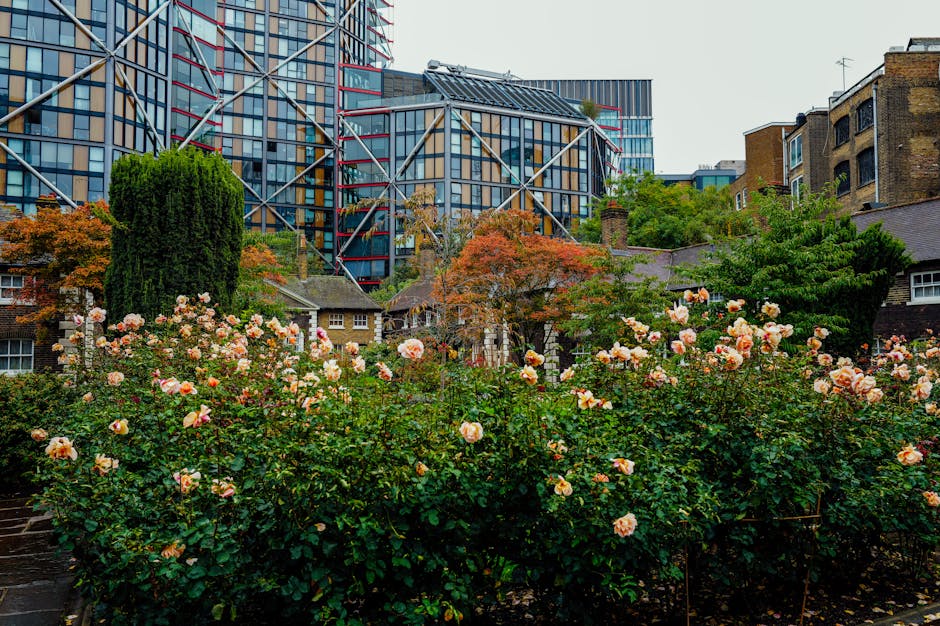
High Holborn Gardening Tips from Local Gardeners
Gardening in High Holborn has its own rhythm. You're dealing with compact outdoor spaces, heavier shade in some spots, traffic dust, occasional wind tunnels between buildings, and the usual London challenge of making every square metre pull its weight. That's exactly why High Holborn Gardening Tips from Local Gardeners tend to be more practical than glamorous. Local gardeners know what survives, what struggles, and what simply looks good for a week before becoming a bit of a faff.
This guide brings together the sort of advice that actually helps: how to keep a small urban garden tidy, how to choose planting that won't sulk in a shaded courtyard, how to manage lawns, hedges, and borders without wasting time, and when it makes sense to bring in professional help. If you want a garden that feels calm rather than constantly "needing doing", you're in the right place.
For broader support, you may also find the site's garden maintenance page useful, especially if you're weighing up regular care versus doing it all yourself.
Table of Contents
- Why High Holborn Gardening Tips from Local Gardeners Matters
- How High Holborn Gardening Tips from Local Gardeners Works
- Key Benefits and Practical Advantages
- Who This Is For and When It Makes Sense
- Step-by-Step Guidance
- Expert Tips for Better Results
- Common Mistakes to Avoid
- Tools, Resources and Recommendations
- Law, Compliance, Standards, or Best Practice
- Options, Methods, or Comparison Table
- Case Study or Real-World Example
- Practical Checklist
- Conclusion
- Frequently Asked Questions
Why High Holborn Gardening Tips from Local Gardeners Matters
High Holborn is not a broad suburban garden landscape with room to experiment endlessly. It's an urban setting, and that changes everything. The light can be patchy. The air is busier. Potted plants dry faster than you expect. Soil in older planters can become tired and compacted. And if your outdoor area sits near a busy road or between tall buildings, you'll often notice that some corners get drenched while others stay stubbornly dry.
That's where local knowledge earns its keep. A gardener who works in the area understands the little patterns that don't show up in generic advice. For example, you might think a sunny-facing wall guarantees success, but in a narrow street it may only receive strong light for a couple of hours before shade cuts in. Or you may assume a lawn issue is disease when, in fact, it's just poor airflow and foot traffic.
Local gardeners also tend to think in terms of maintenance, not just appearance. Truth be told, a nice-looking garden that falls apart in two weeks is not really a win. The aim is something resilient, tidy, and easy enough to live with. That can mean simpler planting, smarter pruning, and regular jobs done at the right time rather than all at once in a panic.
If you're planning a bigger refresh, the broader landscape gardening service page can help frame how local design and maintenance work together.
How High Holborn Gardening Tips from Local Gardeners Works
At its core, this approach is about making decisions based on local conditions rather than assumptions. You observe the space, work out what the garden is really asking for, and then choose routines and plants that suit the reality of urban life.
Here's the basic logic local gardeners often follow:
- Assess the site honestly. Note sun, shade, wind, drainage, access, and how often the space is used.
- Match the maintenance level to the garden size. A tiny courtyard needs different habits than a longer communal border or rooftop planter setup.
- Choose plants for resilience. Good choices usually tolerate pots, variable light, and occasional dry spells better than delicate showpieces.
- Keep a regular rhythm. Small, frequent tasks are easier than big seasonal overhauls that leave you exhausted.
- Use the right service at the right time. Pruning, mowing, hedge work, clearance, and design all have different jobs. Mixing them up often creates more work later.
That's the practical side. The emotional side is simpler: when a garden is under control, the whole place feels less cramped. You notice the scent of fresh cut grass, the cleaner lines of a clipped hedge, and the odd quiet moment in the middle of the city. Nice, really.
Key Benefits and Practical Advantages
Local gardening tips are useful because they save time, reduce waste, and help you avoid the usual trial-and-error cycle. The benefits are not abstract. They show up in the everyday stuff.
- Better plant survival. Plants chosen for local conditions are less likely to fail because of shade, pollution, or inconsistent watering.
- Lower maintenance effort. A garden designed around realistic upkeep stays manageable, even during busy weeks.
- Cleaner appearance year-round. Small spaces look untidy fast. Local routines keep things neat without making the garden feel overworked.
- Smarter spending. You avoid buying plants, compost, or materials that are lovely in theory but wrong in practice.
- Safer upkeep. Trees, hedges, and slippery surfaces need proper attention, especially around tight access or hard landscaping.
There's also a quieter benefit: confidence. Once you know what tends to work in High Holborn, you stop second-guessing every decision. Should you prune now? Replace that pot? Cut the hedge back harder? The answer becomes more grounded, less guessy.
If you're handling frequent outdoor care, the site's lawn mowing and hedge trimming pages are useful touchpoints for understanding routine work that keeps a property looking sharp.
Who This Is For and When It Makes Sense
These gardening tips are useful for anyone managing a private garden, a small courtyard, a balcony planter arrangement, a communal entrance space, or a business frontage in High Holborn. The practical need is usually the same: you want the space to look presentable without it becoming a burden.
It makes particular sense if:
- you have limited time but still care about appearance
- your garden gets uneven sunlight or heavy shade
- you've inherited a space that is overgrown or awkwardly laid out
- you want seasonal advice that reflects city conditions
- you need help deciding which jobs to do yourself and which to outsource
It also matters if your garden includes awkward slopes, mature shrubs, or older features that have seen better days. In those situations, a one-size-fits-all checklist usually fails. A bit of judgement goes a long way.
And let's face it, most people do not want their weekend to vanish into endless snipping, sweeping, and hauling green waste. That's where a balanced plan helps.
Step-by-Step Guidance
If you want a practical way to approach gardening in High Holborn, start here. This is the method many local gardeners use, even if they don't spell it out quite this neatly.
1. Look at the space in daylight
Before you buy anything, spend a little time watching the garden at different points in the day. Where does the sun actually land? Which areas stay damp? Which spots feel windy or exposed? One small observation can save you from months of frustration.
2. Clear dead growth and anything blocking access
Loose branches, collapsed pots, soggy leaves, and old clutter make every other job harder. If the space is full of debris or thick overgrowth, a proper clearance may be the best starting point. For heavier resets, the garden clearance service page is worth a look.
3. Decide what the garden is for
Is it a sitting space, a visual backdrop, a wildlife-friendly corner, or a mix of all three? This matters because a decorative border needs different plants and pruning than a practical space where people walk, eat, or dry washing. A garden without a job can end up looking like it doesn't know what it wants to be. Which, to be fair, happens more often than people admit.
4. Prioritise structure before decoration
Local gardeners often start with the structural bits: hedges, paths, paving, beds, planters, and any wooden features. Once the frame is in good order, planting becomes much easier. If the layout itself feels dated or awkward, explore the site's landscaping and decking services pages for ideas on how to make the space work harder.
5. Set a realistic care routine
Small gardens often need more regular attention than larger ones. Weekly checking, light watering, quick deadheading, and occasional trimming can prevent the need for major catch-up jobs. If you do one big tidy every few months, the space will probably still look fine for a while - and then suddenly not.
6. Add plants in layers
Use a mix of ground-level planting, medium-height shrubs, and a few vertical features where appropriate. Layering helps a small London garden feel richer without making it messy. It also gives you more flexibility when one plant is having a rough week, because there's always something else carrying the scene.
7. Review and adjust
After a season or two, see what is thriving and what keeps struggling. Replace the weak performers rather than forcing them to stay because you already bought them. Gardening should be a relationship, not a sunk-cost exercise.
Expert Tips for Better Results
Here are the sorts of tips local gardeners rely on when they want reliable results rather than fashionable ones.
- Choose container plants with staying power. In urban spaces, pots are often the backbone of the garden. Pick species that tolerate drying out a little and recover well if conditions swing.
- Water deeply, not constantly. Frequent shallow watering encourages weak roots. Better to water well and less often, especially in established containers and beds.
- Keep edges crisp. A garden can look tidy even when planting is simple if the borders, planters, and paths are clearly defined.
- Prune with a purpose. Don't just cut for the sake of it. Remove dead, crossing, or awkward growth, and shape shrubs so they stay open to light and air.
- Work with the seasons. Spring and early autumn are often better times for planting and refreshing than the hottest or coldest parts of the year.
- Use mulch where it makes sense. A layer of mulch can help retain moisture and keep roots more stable. It also makes beds look finished, which is a nice bonus.
One small but useful habit: keep a note on your phone about what you planted and when. Nothing fancy. Just enough to stop you from forgetting whether that shrub was added last month or last year. That detail alone can save a lot of head-scratching.
Common Mistakes to Avoid
Gardens in High Holborn often fail for predictable reasons. The good news? Most of them are fixable once you spot the pattern.
- Overplanting a small space. It's tempting to pack in more greenery, but overcrowding usually creates poor airflow and constant tidying.
- Ignoring shade. A plant that loves bright light will not magically adapt because the label looked promising in the shop.
- Letting hedges go too long between trims. Overgrown hedges are harder to bring back neatly. Regular maintenance is easier than rescue work.
- Using the wrong lawn routine. Short, infrequent cuts or cutting too low can weaken grass, especially in small or patchy areas.
- Forgetting waste management. Garden waste piles up fast. Composting works for some materials, but larger clearances often need a proper removal plan.
- Chasing trends instead of conditions. A garden should suit the site, not an Instagram mood board. Harsh, but true.
Another common one: people buy plants first and then ask where to put them. It should be the other way around, most of the time.
Tools, Resources and Recommendations
You do not need a van full of specialist kit to keep a High Holborn garden in shape. A focused, well-chosen set of tools is usually better than a lot of clutter.
| Task | Useful Tool or Approach | Why It Helps |
|---|---|---|
| General tidy-up | Gloves, hand fork, secateurs, garden bags | Makes routine maintenance faster and cleaner |
| Hedge shaping | Sharp hedge trimmer or professional hedge service | Gives cleaner lines and reduces ragged growth |
| Lawn care | Reliable mower and edging tool | Keeps small lawns neat and avoids uneven finishes |
| Planting in pots | Quality compost, drainage material, watering can | Prevents waterlogging and supports healthier roots |
| Garden reset | Waste sacks, shears, wheelbarrow, clearance support | Helps remove dead material before new work begins |
For ongoing practical support, the site's services overview is useful if you want to see how maintenance, pruning, mowing, clearance, and design-related work fit together. If you're trying to budget properly, the pricing and quotes page can help set expectations before you commit to anything.
And if sustainability matters to you, it should, the recycling and sustainability page is worth reviewing so you can think sensibly about waste, reuse, and greener garden habits.
Law, Compliance, Standards, or Best Practice
For most home gardens, the main thing is not a mountain of regulation; it is responsible practice. Still, there are a few sensible standards local gardeners keep in mind.
First, tree work and large-scale pruning should be approached carefully. If a tree is sizeable, close to a building, or showing structural issues, it is better to get informed help than to improvise. The same applies if branches overhang public space or neighbouring property. Safety first. Always.
Second, waste should be handled properly. Green waste, soil, timber, and mixed garden debris should not be dumped casually. Good practice is to separate what can be reused or composted from what needs removal. That matters for tidiness, safety, and common courtesy in a dense area like Holborn.
Third, anyone carrying out garden work for others should work with clear safety habits: suitable PPE, stable ladders where needed, careful tool handling, and good site awareness. You can review the site's health and safety policy and insurance and safety information for a sense of how a professional service frames responsible work.
Fourth, if you hire a service, trust and clarity matter. A proper agreement, clear scope, fair payment terms, and a straightforward complaints route are all signs of a mature provider. The pages on terms and conditions, payment and security, and complaints procedure are there for exactly that reason.
To be fair, most people do not want to spend their afternoon reading policy documents. But when a garden job is bigger, higher, or more complicated than expected, those safeguards matter.
Options, Methods, or Comparison Table
There is more than one way to keep a High Holborn garden looking good. The best approach depends on time, budget, and how much effort you want to spend each month.
| Approach | Best For | Pros | Trade-Offs |
|---|---|---|---|
| DIY upkeep | Small, simple spaces and confident gardeners | Lower cost, flexible timing, full control | Can become time-consuming and inconsistent |
| Routine professional maintenance | Busy homeowners and managed properties | Reliable presentation, less stress, regular standards | Ongoing spend, needs a clear scope |
| One-off clearance and reset | Neglected or overgrown gardens | Fast transformation, easier starting point | Doesn't maintain itself after the reset |
| Combined maintenance and landscaping | Gardens needing both structure and upkeep | Improves layout and long-term usability | Usually the biggest commitment upfront |
In practice, many people in High Holborn choose a mixed approach. They might handle light watering and deadheading themselves, then book professional help for hedge trimming, mowing, or a seasonal reset. That's often the sweet spot. Not too much, not too little.
Case Study or Real-World Example
Imagine a small courtyard garden tucked behind a period property off a busy street. It has one patch of afternoon light, a couple of tired containers, a narrow bed against the wall, and a hedge that has become slightly too enthusiastic. Nothing dramatic, just the sort of space that slowly starts feeling smaller than it is.
A local gardener would usually begin by clearing dead leaves, cutting back the hedge to a sensible shape, and checking drainage in the pots. Then they'd swap out one or two weak plants for something more forgiving, maybe add fresh compost, and define the edges so the garden looks intentional again. Not crowded. Just intentional.
What changes most isn't the size of the garden. It is the atmosphere. Suddenly there's room to move, light has somewhere to land, and the whole space feels less like a problem to solve and more like a place you can use. You can hear that difference as much as see it. A brush on paving, a cleaner clip on the hedge, less rustle of dry debris underfoot.
That is the real value of High Holborn gardening tips from local gardeners: they turn a tricky urban plot into a manageable, pleasant space without pretending it should behave like a country garden.
Practical Checklist
Use this checklist as a quick reset before you decide what to do next.
- Check how much sun and shade the space gets during the day
- Remove dead leaves, fallen twigs, and any broken pots or clutter
- Inspect hedges, shrubs, and trees for overgrowth or weak branches
- Decide whether the main priority is tidiness, planting, or layout
- Review whether the lawn needs mowing, repair, or partial replacement
- Make sure containers have enough drainage and fresh compost
- Keep watering sensible and consistent, especially in hot or dry spells
- Plan seasonal pruning rather than waiting until everything gets unruly
- Separate waste for recycling, composting, or removal
- Book professional help for tasks that are high, heavy, or time-sensitive
Expert summary: In High Holborn, the best gardens are usually not the most complicated ones. They are the ones that match the light, the space, and the owner's real schedule. That simple fit makes everything easier.
Conclusion
Gardening in High Holborn works best when it is grounded, practical, and a little bit patient. The local conditions are real. The spaces are often tight. The maintenance window can be short. But with the right plan, those limits become part of the design rather than a problem.
Good local advice helps you choose resilient plants, keep maintenance manageable, and avoid the usual expensive mistakes. It also helps you see when a garden needs more than a quick tidy - maybe a proper clearance, maybe better structure, maybe regular hedge and lawn care, maybe a full rethink. And that's fine. Gardens are allowed to evolve, slowly.
If you want to move from guesswork to a clearer plan, the best next step is usually to look at the available services, check the scope carefully, and choose the level of support that fits your space and schedule. A garden should make life feel a little lighter, not heavier.
Get a free quote today and see how much you can save.
And if all you do after reading this is go outside, look at the garden properly, and notice one thing that needs attention, that's a good start. Honestly, it often is.
Frequently Asked Questions
What are the best High Holborn gardening tips from local gardeners?
The best tips are usually the simplest ones: assess light and shade carefully, choose resilient plants, keep hedges trimmed, mow regularly if you have a lawn, and avoid overcrowding small spaces. Local gardeners focus on what works in urban conditions, not what looks impressive for one weekend.
Why do gardens in High Holborn need different advice than suburban gardens?
Because the conditions are different. You often get less direct sunlight, more reflected heat, more pollution, tighter access, and faster drying in pots. What thrives in a roomy garden may struggle in a courtyard or narrow urban plot.
How often should I maintain a small garden in High Holborn?
Small gardens usually benefit from little-and-often upkeep. A quick weekly check, light watering, tidying, and occasional pruning will often keep things under control better than one big seasonal clean-up. It sounds modest, but it works.
What plants usually do well in compact urban gardens?
Plants that tolerate containers, variable light, and inconsistent moisture tend to perform best. The exact choice depends on how much sun the space gets, but the key is resilience. If a plant needs perfect conditions every day, it may be a poor fit.
When should I book professional garden maintenance?
It makes sense when the garden is getting too much to handle, when hedges or trees need careful work, when the space has become overgrown, or when you want regular upkeep without spending every weekend on it. A steady maintenance plan can prevent bigger jobs later.
Is garden clearance useful before planting new beds?
Yes, very often. Clearing out dead growth, debris, old soil, and clutter gives you a clean starting point. It also helps you see the real structure of the space, which is half the battle in a small garden.
How do I stop a small garden from looking cluttered?
Keep the structure simple, use fewer but better-chosen plants, and maintain clean edges around borders, planters, and paths. Overplanting is the fastest way to make a small space feel busier than it should.
What is the difference between landscaping and garden maintenance?
Garden maintenance keeps the existing space neat and healthy through tasks like mowing, pruning, and tidying. Landscaping changes the structure or layout of the garden itself, such as adding new surfaces, beds, or features. They work best together, but they are not the same thing.
Can I manage a London garden myself without professional help?
Yes, if the space is small, simple, and you enjoy the routine. But once hedges, trees, awkward access, or heavy overgrowth come into play, professional help can save time and reduce risk. There's no prize for doing everything the hard way.
What should I do if my lawn is patchy or struggling?
First, check whether it is getting enough light and not being cut too short. Then look at compaction, watering, and wear from foot traffic. In some cases, regular mowing and better aftercare are enough; in others, the lawn may need repair or a fresh approach.
Are recycling and sustainability important in garden work?
Yes. Garden waste can often be separated, reused, composted, or managed more thoughtfully. Sustainable habits do not have to be complicated. Small choices, like reusing healthy cuttings and disposing of waste properly, make a real difference over time.
How do I know if a hedge or tree needs professional attention?
If growth is hard to reach, if the branches are heavy or near structures, or if the plant looks unstable or poorly shaped, it is sensible to get professional advice. Tree work especially should not be guessed at. Better safe than sorry, as the old saying goes.