Holborn Station Courtyard Gardening by Local Gardeners
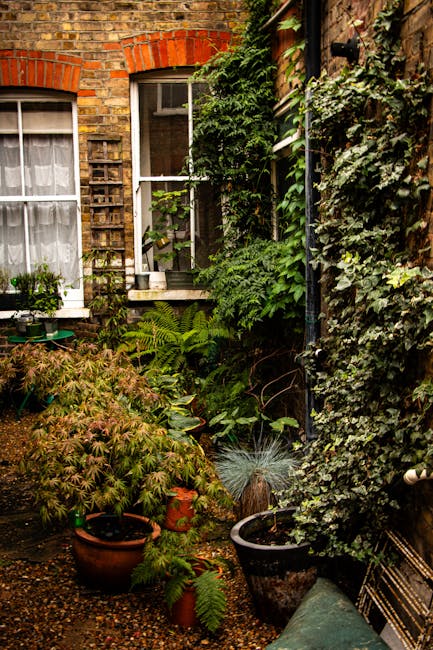
Courtyard spaces around Holborn Station can be surprisingly tricky. They are often compact, shaded for part of the day, busy with foot traffic nearby, and shaped more by practicality than by design. Yet that is exactly why Holborn Station Courtyard Gardening by Local Gardeners matters so much. With the right local knowledge, even a small paved court or tucked-away communal garden can feel calmer, greener, and more welcoming without becoming high-maintenance.
If you are looking after a station-adjacent courtyard, a residential mews-style space, or a business entrance that needs to look tidy every week, the challenge is usually the same: how do you make it attractive, durable, and easy to maintain? This guide walks through what courtyard gardening involves, how local gardeners approach it in practice, and what to watch out for so the space does not become one more thing on your list.
To be fair, small gardens can be fussier than big ones. A dropped leaf stands out. A tired planter looks even more tired. But with a steady routine and a thoughtful planting plan, the results can be excellent.
- Why it matters
- How it works
- Key benefits
- Who it is for
- Step-by-step guidance
- Expert tips
- Common mistakes
- Tools and recommendations
- Law, compliance and best practice
- Options and comparison
- Case study
- Practical checklist
- Conclusion
- Frequently asked questions
Why Holborn Station Courtyard Gardening by Local Gardeners Matters
Courtyards near Holborn Station tend to sit at the meeting point of movement and stillness. People pass through them on the way to work, visitors notice them at a glance, and residents live with them every day. That means the space has to do several jobs at once. It should look smart, remain safe, cope with shade and reflected heat from nearby walls, and still feel like a place where someone actually wants to pause for a minute.
Local gardeners bring a practical edge here. They know how London courtyards behave through the year: the way damp can linger in winter, how pollution and dust settle on leaves, how container plants dry out faster than expected in a sheltered pocket, and how quickly a neglected corner can go from "slightly untidy" to "obviously unloved". A gardener who understands the area is less likely to overplant, overwater, or choose materials that look lovely for three weeks and then become a nuisance.
There is also a broader design reason courtyard gardening matters. In dense urban settings, a small green space can soften hard edges and create a sense of order. That matters for homes, offices, hospitality spaces, and shared buildings alike. A tidy courtyard often changes the tone of the whole property. People feel it before they can explain it.
For many clients, the real issue is not just visual appeal. It is consistency. One-off tidy-ups can help, but a courtyard usually needs regular care to stay at its best. If that care is built around local growing conditions and sensible maintenance, the space feels easier to manage rather than constantly slipping out of shape.
How Holborn Station Courtyard Gardening by Local Gardeners Works
Courtyard gardening is a mix of design, maintenance, and quick decision-making. The first step is usually a site review. A local gardener will look at how much light the courtyard gets, where water drains or pools, whether there is enough airflow, what is already planted, and which areas need immediate attention. That might sound obvious, but in a compact outdoor space the little details matter enormously.
A good process generally starts with understanding the structure of the courtyard. Is it paved? Is there soil or only containers? Are there walls that create dry shade? Is there access for tools and waste removal? Are there paving joints full of weeds? Are planters causing drainage issues? These questions shape everything that follows. You cannot sensibly choose plants until you know what the site is really asking for.
Once the conditions are clear, the work often moves into a simple but effective routine:
- Clear away debris, dead growth, and surface clutter.
- Check the condition of containers, edging, paving, and supports.
- Prune, deadhead, or trim plants so they grow in a controlled way.
- Refresh soil, mulch, or compost where needed.
- Replant weak areas with suitable species or seasonal displays.
- Set a maintenance rhythm for watering, tidying, and inspections.
In many Holborn settings, the work also includes balancing aesthetics with practicality. For example, fragrant planting might be lovely near an entrance, but if pollen, falling petals, or overhanging stems create mess on a busy path, the choice needs tweaking. Likewise, a lush planting scheme is pointless if nobody can reach the back of the courtyard without trampling it. Simple rule, really: beauty should not fight daily use.
Where a courtyard has multiple elements, local gardeners may coordinate with broader outdoor services too. That can include regular garden maintenance, landscaping support, lawn mowing for small grassed pockets, hedge trimming for privacy planting, or garden clearance when a courtyard has simply become too cluttered to manage sensibly.
Key Benefits and Practical Advantages
A well-managed courtyard does more than look neat. It changes how people use the space, how often it needs emergency attention, and how much value it adds to the property. The benefits are both visual and practical, which is why courtyard gardening is often one of those jobs that seems small until it is ignored for a while.
- Better first impressions: A tidy, planted courtyard makes a property feel cared for and professionally managed.
- Less day-to-day stress: A proper maintenance plan reduces the number of surprise jobs that pile up.
- Smarter use of limited space: Containers, climbers, and layered planting can make a tiny courtyard feel much more generous.
- Improved year-round resilience: Plants chosen for shade, wind exposure, and urban conditions are less likely to fail.
- Cleaner, safer walkways: Routine sweeping and trimming help prevent slippery debris and blocked access.
- More usable outdoor space: Even a narrow court can become somewhere people want to pause, talk, or sit for a minute.
There is a quieter advantage too: rhythm. When a courtyard is cared for regularly, everything becomes easier to predict. Plants settle. Edges stay sharp. Watering is less frantic. You are not constantly reacting. That alone is worth a lot in a busy area like Holborn, where time is often the thing people do not have enough of.
If you are weighing up service levels, it can help to think in terms of outcome rather than just tasks. Do you want the courtyard simply cleaned? Kept presentable? Redesigned into a more polished feature? Those answers shape the work, the budget, and the schedule.
Who This Is For and When It Makes Sense
Courtyard gardening is not only for large properties with a dedicated outside team. In fact, the most common need is often the opposite: compact spaces that are easy to overlook but impossible to ignore. If that sounds familiar, this section is probably for you.
It makes sense for:
- homeowners with a small enclosed courtyard or patio garden;
- landlords who want the property to present well between tenancies;
- managing agents responsible for shared outdoor areas;
- offices or commercial premises near Holborn Station needing a clean, calm exterior;
- hospitality venues that want outdoor seating or entry areas to feel inviting;
- businesses that need reliable seasonal planting without creating extra admin.
It is especially sensible when the space is shaded, awkwardly shaped, or full of hard surfaces. Courtyards often need more design judgement than larger gardens because every square metre counts. One misplaced pot can make circulation feel cramped. One thirsty plant in the wrong spot can make the whole setup look off.
It also makes sense if you have already tried to maintain the area yourself and keep hitting the same problems: weeds in paving, containers drying out, plants leaning toward the light, or a general "why does this keep looking messy?" feeling by the end of the week. Happens more than people admit. Nothing wrong with that.
If the space has become overgrown, blocked, or half-forgotten, starting with a professional reset can make a huge difference. In those cases, a mix of courtyard care and a focused clearance service can turn the site around much faster than drip-feeding fixes.
Step-by-Step Guidance
Good courtyard gardening works best when it is approached in stages. Trying to "do everything at once" usually creates more mess, more cost, and more second-guessing. A calmer sequence is far better.
1. Assess the site honestly
Start with light, drainage, access, and existing plant health. Shade, reflected heat, and wind tunnels matter more in a courtyard than many people expect. A north-facing space in Holborn can be cool and damp, while a sun-trapped courtyard can behave like a tiny oven by late afternoon.
2. Decide what the space must do
Is it mainly decorative? A pass-through area? A seating space? A privacy screen? Once you know the job, the planting and layout become much clearer. A courtyard with foot traffic should prioritise clear paths and robust planting. A quieter retreat can take a softer, more layered look.
3. Clear, prune, and reset
Remove dead leaves, spent flowers, broken containers, and any plants that are no longer pulling their weight. Trim back overcrowded growth. This stage can feel a bit drastic, but it gives the whole courtyard breathing room. And yes, it usually looks worse before it looks better.
4. Improve the growing medium
Courtyards often rely on containers or shallow beds, so soil quality matters a lot. Fresh compost, mulch, and proper drainage are worth the effort. A good base reduces watering stress and helps plants establish more reliably.
5. Replant with purpose
Choose plants that suit the light levels and maintenance style. For low upkeep, go for reliable structure and seasonal variation rather than trying to create a mini botanical garden that demands constant attention. A few strong performers beat a crowded mix that struggles from day one.
6. Add the finishing structure
Containers, screens, edging, trellis, and seating all shape how the courtyard feels. This is often where decking services or broader landscape gardening ideas can help if the courtyard needs a more defined layout. Small adjustments can make the space feel intentional instead of improvised.
7. Set the routine
Finally, put the maintenance plan on paper: watering, feeding, pruning, sweeping, checking drainage, and seasonal refreshes. Without this step, even the nicest courtyard can drift back into awkward territory quite quickly.
Expert Tips for Better Results
After working in small urban spaces for a while, you start to notice the same winning habits again and again. Nothing flashy. Just sensible choices done consistently.
- Use fewer plant varieties, but choose them well. Courtyards often look better with repetition than with too many competing textures.
- Prioritise structure first. Evergreen framework, clipped shapes, and simple containers help the space hold together through winter.
- Don't underestimate drainage. Waterlogged planters are a quiet problem until roots fail and plants suddenly collapse.
- Keep walkways visually clean. Overhanging growth and trailing stems can make a small courtyard feel cramped in no time.
- Think about sightlines from inside. In many Holborn properties, the courtyard is viewed more often through a window than from the middle of the space.
- Plan for the messiest season. Autumn leaf fall, winter damp, and spring growth spurts each need a different approach.
One practical tip that is easy to miss: place the "fussiest" plants closest to convenient access points. If a plant needs regular checking, do not bury it at the back behind three larger pots and a bench you can barely move. You will regret that arrangement by month two. Maybe even sooner.
Another worthwhile habit is to keep a small buffer of spare compost, ties, or replacement plants. In a compact space, one weak plant stands out immediately, and being able to replace it quickly keeps the whole courtyard looking deliberate.
Common Mistakes to Avoid
Courtyard spaces fail for surprisingly ordinary reasons. The good news is that most of those mistakes are avoidable once you know what to look for.
- Choosing plants for looks alone: A plant that thrives in a bright garden border may struggle in a shaded, windy courtyard.
- Overcrowding containers: Too many plants in too little space leads to competition, poor airflow, and a cluttered appearance.
- Ignoring drainage: Standing water in pots or poorly drained paving creates long-term headaches.
- Using hard landscaping without a maintenance plan: Stone, timber, and edging still need care, especially in damp urban conditions.
- Letting the work become purely reactive: If you only fix visible problems, the underlying issues keep coming back.
- Forgetting access for maintenance: If gardeners cannot reach the back corners, the space will never stay balanced for long.
A frequent mistake in station-area courtyards is assuming that "small" means "simple". It often means the opposite. Small spaces reveal every mistake, every bit of neglect, every rushed decision. A slight misjudgement can make the whole place feel cramped or scruffy. Not ideal, obviously.
Another one: planting species that look great in peak summer but offer little structure the rest of the year. In a local setting like Holborn, year-round presentation matters more than one perfect week in June. Truth be told, the winter view matters a lot.
Tools, Resources and Recommendations
You do not need a van full of specialist kit to maintain a courtyard well, but the right tools make the work cleaner and safer. For most compact garden jobs, the essentials are quite ordinary, which is part of the charm.
- Hand pruners and secateurs: useful for precise cutting in confined spaces.
- Lightweight shears: helpful for trimming soft growth and keeping edges neat.
- Stiff brush and rake: ideal for clearing leaves, moss, and debris from paving.
- Watering can or compact hose setup: often better than overcomplicated watering systems in small courts.
- Good-quality compost and mulch: simple basics that make a real difference.
- Stable containers and saucers: especially important where drainage needs careful control.
For a more polished finish, local gardeners may also recommend a blend of regular upkeep and occasional structural work. If the courtyard needs pathways, levels, borders, or a stronger overall layout, broader landscaping can support the planting plan. If maintenance is the priority, a routine visit schedule often works better than occasional big interventions.
It is also worth asking about waste handling and material reuse. Some courtyards produce a lot of light green waste and old planting material during a reset. Services that align with recycling and sustainability can help reduce unnecessary waste, which is good practice and usually just feels more sensible all round.
Law, Compliance, Standards, or Best Practice
Courtyard gardening is not usually about heavy regulation, but it does sit alongside a few important duties and best-practice expectations, especially in shared or commercial settings. The main thing is to keep the space safe, accessible, and responsibly maintained.
In practical terms, that means gardeners should work carefully around pathways, entrances, lighting, and any surface that could become slippery or blocked. If a courtyard is part of a managed building, the people responsible for the property generally need to think about access, trip hazards, waste storage, and keeping outdoor areas in reasonable order. That is not glamorous, but it matters.
Best practice also includes:
- using suitable plants for the site rather than forcing unsuitable species into the space;
- keeping equipment and materials clear of exits and walkways;
- checking that maintenance tasks do not create temporary hazards;
- making sure any pruning or tree work is handled with care and only where appropriate;
- using insured, competent contractors for higher-risk tasks when needed.
For service providers, trust signals matter. It is fair to look for clear information about health and safety, insurance and safety, and fair working practices such as the modern slavery statement. Those pages do not make a courtyard greener by themselves, of course, but they do show how seriously a company handles its responsibilities.
If you are comparing services, transparency around pricing and quotes is also useful. Courtyard work can vary a lot depending on access, planting condition, and how much resetting is needed, so clear scope matters more than a vague promise. Always has done.
Options, Methods, or Comparison Table
Different courtyards need different levels of intervention. The right method depends on time, budget, and how ambitious you want the result to be. Here is a straightforward comparison that can help narrow the choice.
| Approach | Best for | Main strengths | Trade-offs |
|---|---|---|---|
| Routine maintenance only | Courtyards already in decent shape | Low disruption, steady presentation, predictable upkeep | Won't fix deeper layout or planting problems |
| Reset and refresh | Spaces that have become tired or overgrown | Fast visual improvement, easier to maintain afterward | Needs a larger upfront effort |
| Soft redesign | Courtyards that function but do not look quite right | Better plant choice, improved layout, stronger visual identity | Takes more planning and decision-making |
| Full landscaping upgrade | Problem courtyards or premium properties | Can transform usability and appearance significantly | Highest cost and usually more complex |
Most people do not need the biggest option. They need the right one. A practical gardener will help you figure that out honestly rather than pushing for unnecessary work. That alone is worth paying attention to.
Case Study or Real-World Example
Imagine a narrow courtyard behind a Holborn property used by both staff and visitors. The space has good bones, but it has started to feel cramped: a few containers have failed, the paving is dusty and patchy with weeds, and the planting is too random to feel intentional. Nothing dramatic. Just enough to make the place feel overlooked.
A local gardener starts with clearance and a tidy-up, cutting back dead growth and removing the clutter that had collected near the back wall. Then the site is assessed for shade and drainage. It turns out two corners stay damp for longer than expected, while the area near the entrance gets far more reflected heat than it looks like it should.
Instead of replacing everything, the gardener keeps the stronger plants, introduces a small group of more suitable containers, and simplifies the palette. A couple of tall, slim forms create structure without blocking the path. The paving is cleaned, the edges are sharpened, and the maintenance schedule is reduced to a manageable rhythm.
The result is not dramatic in a flashy way. It is better than that. The courtyard looks calmer, more deliberate, and much easier to keep in shape. People use it more because it feels tidy and trustworthy. That is often the real win. Not a magazine spread. Just a place that finally works.
Practical Checklist
Use this checklist if you are planning a courtyard garden visit, a seasonal tidy-up, or a more involved refresh.
- Check light levels at different times of day.
- Inspect drainage, runoff, and any puddling after rain.
- Identify plants that are failing, overcrowded, or out of place.
- Clear leaves, litter, moss, and loose debris from paved areas.
- Confirm access for tools, waste removal, and ongoing maintenance.
- Decide whether the space needs maintenance, clearance, or redesign support.
- Choose plants suited to shade, wind, and container life if applicable.
- Set a watering and pruning routine that people can realistically follow.
- Look at the view from inside, not just from standing in the courtyard.
- Plan for autumn and winter, not only peak growing season.
Expert summary: the best courtyard gardens near Holborn are usually the ones that look easy, even though they were carefully thought through. A restrained layout, sensible plants, and regular maintenance almost always outperform a crowded, high-effort scheme that nobody can keep up with.
For readers comparing providers, it can help to look through the company background and service overview before booking. The pages on about us, services overview, and contact us can be useful when you want to understand who is doing the work and how the process is handled.
Get a free quote today and see how much you can save.
Conclusion
Holborn Station Courtyard Gardening by Local Gardeners is really about making a small, demanding space feel calm and workable. The best results come from understanding the site properly, choosing plants that suit the conditions, and setting up a maintenance rhythm that can actually be kept. Nothing fancy, just thoughtful. And in a dense urban setting, thoughtful usually wins.
If your courtyard feels too fiddly, too shaded, or too easy to neglect, that is not a sign the space is beyond help. Usually it just means the approach needs refining. A local gardener who understands the realities of Holborn can turn that awkward little patch into something neat, useful, and quietly attractive. One of those spaces people notice without even realising why.
And honestly, that is often the nicest kind of garden work. The sort that makes daily life a little easier, a little brighter, and a bit more welcoming every time you pass by.
Frequently Asked Questions
What is Holborn Station courtyard gardening?
It is the care, maintenance, and improvement of small outdoor courtyard spaces near Holborn Station, usually with an emphasis on practical planting, tidy presentation, and easy upkeep.
Why should I use local gardeners instead of a general gardener?
Local gardeners are more likely to understand the light, pollution, access, and maintenance patterns common in central London courtyards. That local judgement can save time and avoid poor plant choices.
How often does a courtyard garden need maintenance?
It depends on the planting and usage, but most courtyards benefit from regular attention rather than occasional big jobs. Weekly or fortnightly upkeep is common for shared or high-visibility spaces.
Can a very small courtyard still look impressive?
Yes. In fact, small courtyards often respond well to restrained planting, strong structure, and a clear layout. A compact space can look very polished when every element has a purpose.
What plants work best in shaded urban courtyards?
Plants that tolerate lower light and container conditions usually perform best. The exact selection depends on the site, but the key is to choose for the actual conditions rather than the idealised ones.
Do courtyard gardens need drainage checks?
Absolutely. Drainage is one of the most important things to check because waterlogged containers or poor runoff can damage plants and create unpleasant, slippery conditions.
Is courtyard gardening the same as landscaping?
Not quite. Courtyard gardening usually focuses more on planting, maintenance, and presentation in a small space, while landscaping may involve larger structural changes, paving, borders, or layout redesign.
What if my courtyard has become overgrown and messy?
That is usually the point where a clearance or reset is helpful. Once the area is cleared and assessed, it becomes much easier to decide what should stay, what should go, and what needs replacing.
How do I keep a courtyard looking good in winter?
Prioritise evergreen structure, tidy lines, clean surfaces, and plants that still look purposeful when growth slows down. Winter is often where weak design shows itself, so structure matters.
Can courtyard gardening be low maintenance?
Yes, if the planting is chosen carefully and the layout is kept simple. Low-maintenance does not mean no maintenance, though. It just means the routine is realistic and not overly demanding.
What should I ask before hiring a gardener for a courtyard?
Ask about their experience with small urban spaces, their maintenance approach, whether they can handle clearance or redesign work if needed, and how they structure quotes. Clear answers are a very good sign.
Is it worth investing in a small courtyard garden?
Usually, yes. Even a modest courtyard can improve the look and feel of a property, support usability, and make the space more pleasant to spend time in. Small does not mean unimportant at all.